Showing posts with label Exercise. Show all posts

Thursday, 10 January 2019

Exercising After a Task Improves Memory

Here's another reason to hit the gym


Working out might keep the brain sharp, and according to a new study, exercising four hours after learning a task can improve memory.

In the new report, published Thursday in the journal Current Biology, researchers found that exercising four hours after a memory task increased brain patterns associated with memory, and helped people retain information better than people who exercised immediately after or people who did not work out.

Seventy two people partook in a picture-location memory task for about 40 minutes. Then, the people were either randomly assigned to 35 minutes of exercise right away, exercise four hours later, or no exercise at all. Two days later, the people came back to see how well they remembered what they had learned, and their brains were scanned. The people who exercised hours later had better recall and stronger and more clear activation in the areas of their brain associated with memory retrieval.

“There is good evidence from animal data that the release of certain neurotransmitters—dopamine and norepinephrine—leads to a biochemical cascade leading to the production of so called plasticity related proteins,” says study author Guillén Fernández, director of the Donders Institute for Brain, Cognition, and Behaviour at Radboud University Medical Center in an email to TIME. “These proteins help stabilize new memory traces, which would otherwise be lost. Physical exercise is at the start of this sequence, because it is accompanied by the release of dopamine and norepinephrine.”

The idea that regular exercise has an impact on brain health, including memory, has been reported in many studies and Fernández says the new report adds to the evidence by showing a single session of exercise can aid in memory retention.

The number of people in the study is small, so it’s hard to say whether people should start pacing workouts exactly four hours after learning something important. Still, the study authors argue that their study is a proof of principal that exercise should be considered as a strategy for long-term memory.


Source by Alexandra Sifferlin

Tuesday, 11 October 2016

10 Simple Ways to Increase Your Physical Activity

by Travis Saunders


Regardless of your shape or size, physical activity has been shown to add years to your life, and life to your years. But believe it or not, the benefits of physical activity are not restricted to exercise performed in the gym. In fact, one of the easiest ways to improve your health may be through increasing the amount of low intensity physical activity you perform throughout the day. For example, simply increasing the number of steps that you take each day is very likely to reduce your risk for diseases like diabetes and cardiovascular disease. It’s still uncertain if this light intensity physical activity can reduce body weight, but it is clear that individuals who engage in high amounts of light intensity physical activity are healthier than those who do not. In fact, there is good evidence to suggest that simply reducing the amount of time spent sitting each day may reduce risk of death independently of other lifestyle factors (for one previous post on this topic, click here).

Peter and I have discussed the importance of daily physical activity in several posts over the past few months, so today we have decided to offer some practical ways that you can incorporate physical activity into your daily life. These are tips that we have found work well for us, and we think they may work well for you as well. Try one or two, and once they’ve become part of your routine try a couple more. We would also love to hear your own tips in the comments section below.

Without further ado, here are ten simple ways to become more physically active:

1. Take the stairs as often as possible.


This one is as simple as it sounds. If you have to go up two floors or less, opt for the stairs. Ditto if you have to go down three floors or less. If you have to go up or down a distance that is too great for you to walk at the moment, walk the first few flights, then take the elevator the rest of the way. Remember, every time you take the stairs instead of the elevator or escalator, you are making a decision that will positively affect your long term health.

2. Drink plenty of water.


This sounds odd, but it’s a trick that I’ve been using for years. If you are constantly sipping water throughout the day, you are going to have to pee at least once an hour. Every time you have to pee, you have a guilt-free excuse to go for a 5-minute walk to the washroom and back! To crank it up a notch, use a washroom in another part of your building, which may give you an opportunity to use the stairs as well. It’s easy to forget to take a 5-minute walk-break every hour, but it’s impossible to forget to go pee.

Added bonus – staying well hydrated may also reduce feelings of hunger, and can often reduce chronic back pain. So this is really a win-win-win.

3. Park as far from the front door as possible.


Another simple but effective tactic. Whether you’re at the mall, work, or school, parking the car at the edge of the parking lot forces you to walk just a little bit further than you are used to. It will only add a few seconds to your trip, but if you do it everyday it could add years to your life.

Added bonus – less chance of getting dinged by shopping carts and teenage drivers.

4. Clean your home regularly.


I’ve got to admit, this one was Peter’s idea (as any of my former roomates can attest, cleaning is not my forte). Most people don’t realize what a good workout cleaning can be, especially if you have a large home. Cleaning involves plenty of walking, lifting, and stretching – all of which are very good for your body. Washing dishes by hand can also be an easy way to burn a few extra calories, and to spend some time chatting with other members of your family (I spent many hours drying pots and pans for my Mom growing up).

5. Gardening and yardwork.


Yardwork is great because not only does it increase your physical activity, but it also gives you an excuse to be outside. Pulling weeds, mowing the lawn, trimming the hedge, and raking leaves are all very physically taxing and like cleaning, they use a range of muscle groups.

6. Disconnect your cable for the summer.


Time spent watching TV is an independent predictor of disease, especially for kids (for a great article on the topic by Ekelund and colleagues, click here). It’s not surprising when you think about it – the only time that most kids aren’t moving around is when they’re sitting in front of the TV. Get rid of the cable, and suddenly you’ve got one less reason to spend your days sitting on the couch. If you’re like me, after a few weeks without cable, you might start to wonder why you ever had it in the first place. And if, like me, you need to watch the NHL playoffs – walk to the local pub/sports bar with your friends on game night.

7. Buy a pedometer.


Pedometers are beeper-sized gadgets that count the number of steps that you take each day. They are a terrific way to measure the amount of physical activity you are getting each day, and can also serve as a great motivator to make the decision to walk whenever possible. Aim for at least 10,000 steps each day, but any increase is likely to bring health benefits, so don’t feel bad if you can’t get up to 10,000 right away. A high quality pedometer costs just $20, and are available online from Speakwell, a Canadian company based in British Columbia.


8. Use active transportation and public transit.


I have only been living in Ottawa for a week, but already I am in love with the bike paths. I have a beautiful 20 minute bike ride to work each day, and I can’t imagine a better way to start the day. It takes about 4 minutes longer than driving (but is significantly cheaper since there’s no parking fee to lock up my bike). Walking, roller blading, and biking are all great ways to get around, and they often take a lot less time than you’d expect.

If the trip is a little too far to hoof it, consider taking public transit. As researcher Ugo Lachapelle discussed in a recent interview here on Obesity Panacea, individuals who take public transit are more likely to meet physical activity recommendations than those who don’t take public transit. This is because most transit trips involve at least some walking to and from stops. And remember that most major cities have bike racks for buses in the summer, and allow bikes on trains during off-peak hours.

Many workplaces offer free or discounted transit pass programs, so be sure to check if your employer has such a program.

9. Have “walk-meetings”.


In an ideal world, we would all have 45 minutes for a relaxed lunch. If you happen to enjoy this luxury, consider taking half your lunch break to go for a walk either alone or with someone else you work with. It will help wake you up for the afternoon, as well as giving you a chance to chat with your co-workers (you could even use it to kickstart that workplace romance you’ve been planning for so long).

If you don’t have time to take a large walk break at lunch, consider having “walk-meetings”. Whenever you have to meet informally with co-workers, turn the meeting into a short walk. If it takes 5 minutes to discuss the project you are working on, that means you just got 5 extra minutes of physical activity! Peter and I used to frequently walk to the local grocery store on our lunch break, all the while discussing projects we were working on. It was a chance to get out of the lab, to talk about our work, and to get some physical activity all at the same time.

10. Go for a family walk after dinner.


This one was Peter’s idea, but I have to admit that we did this almost every night when I was a kid in my family as well. My sister and I would hop on our bikes, my parents would walk behind us, and the four of us would go for a half hour trip around the neighborhood. It’s another chance to spend some time together, get outside, and get some exercise all at the same time.
—————————————————

As you can see, none of the tips we’re suggesting is earth shattering. In fact, most of them are things you could start doing immediately, and cost absolutely nothing at all. Like I mentioned in the introduction, try out the tips that seem most realistic for you at this point in your life. Once you’ve mastered them, consider trying a couple others. And please share with us your tips for making physical activity a part of your day!

Disclaimer: While the activities we have suggested are all low to moderate intensity, speak to your physician if you have any health concerns before increasing your physical activity levels. The information here should be used as a general guide only, and should not be construed as specific medical advice. Also, work place romances are usually a bad idea, so be careful with that as well.

Travis



Wednesday, 22 June 2016

Exercising After a Task Improves Memory

Here's another reason to hit the gym


by Alexandra Sifferlin

Working out might keep the brain sharp, and according to a new study, exercising four hours after learning a task can improve memory.

In the new report, published Thursday in the journal Current Biology, researchers found that exercising four hours after a memory task increased brain patterns associated with memory, and helped people retain information better than people who exercised immediately after or people who did not work out.

Seventy two people partook in a picture-location memory task for about 40 minutes. Then, the people were either randomly assigned to 35 minutes of exercise right away, exercise four hours later, or no exercise at all. Two days later, the people came back to see how well they remembered what they had learned, and their brains were scanned. The people who exercised hours later had better recall and stronger and more clear activation in the areas of their brain associated with memory retrieval.

“There is good evidence from animal data that the release of certain neurotransmitters—dopamine and norepinephrine—leads to a biochemical cascade leading to the production of so called plasticity related proteins,” says study author Guillén Fernández, director of the Donders Institute for Brain, Cognition, and Behaviour at Radboud University Medical Center in an email to TIME. “These proteins help stabilize new memory traces, which would otherwise be lost. Physical exercise is at the start of this sequence, because it is accompanied by the release of dopamine and norepinephrine.”

The idea that regular exercise has an impact on brain health, including memory, has been reported in many studies and Fernández says the new report adds to the evidence by showing a single session of exercise can aid in memory retention.

The number of people in the study is small, so it’s hard to say whether people should start pacing workouts exactly four hours after learning something important. Still, the study authors argue that their study is a proof of principal that exercise should be considered as a strategy for long-term memory.


Wednesday, 8 June 2016

Exercise Slows Brain Aging By 10 Years

Being more active can be an effective way to combat memory and cognitive problems


by Alice Park

We know that exercise is good for the body and the brain. But actually being physically active, at least on a regular basis, isn’t always easy.

For days when you just don’t want to break a sweat, there’s new motivation in the form of scientific evidence: physical activity can slow brain aging by as much as 10 years, reports a new study published in the journal Neurology.

It’s among the first studies to actually put a number on how beneficial exercise can be for the brain. The researchers asked a group of 1,228 men and women of diverse racial and ethnic backgrounds living in Manhattan about their regular exercise habits. They also answered questions that tested their cognitive abilities, including their memory, organization, reasoning and thinking speed. Five years later, they performed the same tests on about half of the study group.

People who reported doing more physical activity showed higher scores on cognitive tests—consistent with previous studies linking more exercise to better brain health. But when the researchers adjusted for the effect that factors like high blood pressure, diabetes and heart disease can have on brain function, the link disappeared. Conditions like these could impair blood flow to the brain and therefore compromise cognitive functions, says Dr. Clinton Wright, associate professor of neurology and public health sciences at University of Miami and senior author of the study. “That suggests that people with low physical activity levels also had a greater burden of those risk factors,” he says.

He and his colleagues then focused just on people in the study who didn’t have these blood flow risk factors, and compared their cognitive scores at the beginning and end of the study. They found similar trends showing that people who exercise more had higher cognitive scores, while those who were less physically active tended to have lower scores. This time, even after accounting for the contribution of possible confounding factors, they found that this trend remained strong in two areas in particular: thinking speed and memory of specific past events.

They also found that people who exercised less showed sharper declines in their cognitive scores than people who were more active. The drops were equivalent to the declines found during normal aging over about 10 years, they concluded.

The data doesn’t prove that exercise can actually reverse or prevent a slowdown in higher level thinking skills. But it does suggest that physical activity may help people with blood flow issues to the brain, such as stroke patients, maintain their cognitive status. Wright is already studying such a group of patients who will wear activity monitors and be randomly assigned to a physical exercise program or not to see whether there is any difference in their test scores over time.


Monday, 6 June 2016

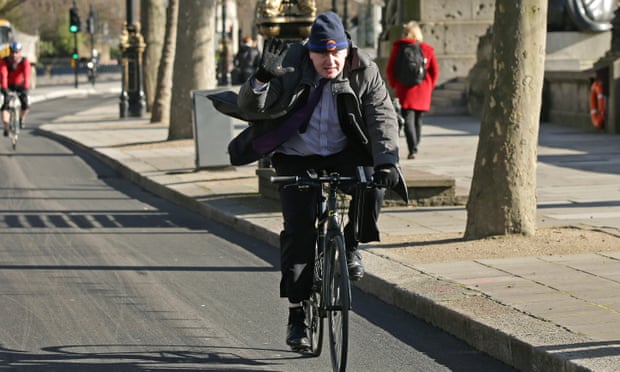
Bike to Work This Summer

Today ... is the perfect day to execute on your latent desire to begin biking to work.


We most often think about habits and resolutions in January, but when it comes to creating a bike commuting habit, summer rules because:
  • The weather is great. The sun is shining, temperatures in the morning are cool enough to prevent you from getting sweaty but warm enough that you don’t need to wear or pack a lot of gear. There is also loads of sunlight, so you don’t need to worry so much about dark roads.
  • Workplaces are more relaxed. Many employers take a more casual approach to summer, relaxing dress codes and hours. Depending on your equipment and your ride, you may decide you can gently ride to work in your business casual clothing and leave your spandex at home.
  • More people are on vacation. This translates into fewer meetings and (anecdotally, at least) less traffic. Fewer meetings mean you can plan your summer more effectively, and less traffic means a more relaxed commute.

With these three advantages in mind, here are some tips for setting yourself up for successful commuting this summer.

Give yourself a reason.


Why do you want to ride anyway? Do you want to be more active? Lose weight? Get some color? Whatever it is, starting with why and writing it down is the best way to stay motivated.

Make a plan.


If you know what you want out of your commute, you can set a sensible goal or habit. Goals look like “I will ride 60 days between now and Labor Day.” Habits look like, “I will look at my weather app each day morning after I get up and if there is no rain forecast, I will ride to work.” Goals for work for some, habits for others.

Address your worries.


Ask yourself what worries you. Are you concerned about being sweaty? Are you worried about your route? Securing your bike? What excuse are you going to use next week and what can you do to mitigate it?

When you were a kid on summer vacation, you probably spent a lot of time on two wheels. You may now be an adult, but this summer, you can recapture the feeling every morning.


Sunday, 5 June 2016

Five Top Health Benefits of Swimming


Swimming is hailed as a wonder sport, and it’s not difficult to understand why. But perhaps you still need a little persuasion to head to the local pool for a few lengths. After all, with it being so cold outside you’ll be more tempted to add layers – and lots of them – rather than peel them off down to a swimsuit. Ah, but remember that indoor pools are heated – and once you start swimming you’ll quickly warm up. Swimmers also have the advantage of a number of health boosters.

Top five health benefits of swimming


Strength builder: Think about dolphins. I doubt you’ve ever seen a fat dolphin! Now think about top swimmers. Ever seen a weak professional swimmer? That’s because the movement and exercise of swimming improves muscular strength and muscle tone. Health experts also tell us that  swimming increases bone strength, which is epically important for post-menopausal women.

Low on impact: Swimming, unlike most other aerobic sports, gives your body a good workout but without any pounding or impact to your skeletal system. How so? When your body is submerged in water, the body only needs to deal with a small percentage of your actual weight because the water is doing the rest. So if you have stiff muscles and sore joints, swimming is the perfect exercise.

Good for your heart: Research shows that 30 minutes of exercise per day, such as swimming, can reduce significantly reduce your chances of coronary heart disease and also reduce your blood pressure.

Longer life: A study at the University of South Carolina found that people who swam regularly suffer lower death rate. The research found that of the 40,000  men, aged 20 to 90, who were tracked fro 30 years, those who swam had 50% less likelihood of premature death. It’s thought that the same is true for women.

Easy breathing: Asthma sufferers can find it tough to exercise outdoors in winter, or cope with the dry atmosphere of gyms. However, swimming allows you exercise in moist air, which can help to reduce exercise-induced asthma symptoms. Some other studies have also shown that swimming can actually improve the condition overall.


Friday, 3 June 2016

Rev up your workout with interval training

Interval training can help you get the most out of your workout.

By Mayo Clinic Staff

Are you ready to shake up your workout? Do you wish you could burn more calories without spending more time at the gym? Consider aerobic interval training. Once the domain of elite athletes, interval training has become a powerful tool for the average exerciser, too.

What is interval training?


It's not as complicated as you might think. Interval training is simply alternating bursts of intense activity with intervals of lighter activity.

For instance, if your exercise is walking — if you're in good shape, you might incorporate short bursts of jogging into your regular brisk walks. If you're less fit, you might alternate leisurely walking with periods of faster walking. For example, if you're walking outdoors, you could walk faster between certain mailboxes, trees or other landmarks.

What can interval training do for me?


Whether you're a novice exerciser or you've been exercising for years, interval training can help you jazz up your workout routine. Consider the benefits:


  • You'll burn more calories. The more vigorously you exercise, the more calories you'll burn — even if you increase intensity for just a few minutes at a time.
  • You'll improve your aerobic capacity. As your cardiovascular fitness improves, you'll be able to exercise longer or with more intensity. Imagine finishing your 60-minute walk in 45 minutes — or the additional calories you'll burn by keeping up the pace for the full 60 minutes.
  • You'll keep boredom at bay. Turning up your intensity in short intervals can add variety to your exercise routine.
  • You don't need special equipment. You can simply modify your current routine.

Are the principles of interval training the same for everyone?


Yes — but you can take interval training to many levels. If you simply want to vary your exercise routine, you can determine the length and speed of each high-intensity interval based on how you feel that day.

After warming up, you might increase the intensity for 30 seconds and then resume your normal pace. The next burst of more intense activity may last two to three minutes. How much you pick up the pace, how often and for how long is up to you.

If you're working toward a specific fitness goal, you may want to take a more scientific approach. A personal trainer or other expert can help you time the intensity and duration of your intervals — which may include movement patterns similar to those you'll use during your sport or activity — based on your target heart rate, the ability of your heart and lungs to deliver oxygen to your muscles (peak oxygen intake), and other factors.

Does interval training have risks?


Interval training isn't appropriate for everyone. If you have a chronic health condition or haven't been exercising regularly, consult your doctor before trying any type of interval training. Recent studies suggest, however, that interval training can be used safely for short periods even in individuals with heart disease.

Also keep the risk of overuse injury in mind. If you rush into a strenuous workout before your body is ready, you may injure your muscles, tendons or bones. Instead, start slowly. Try doing just one or two higher intensity intervals during each workout at first. If you think you're overdoing it, slow down. As your stamina improves, challenge yourself to vary the pace. You may be surprised by the results.